In most parts of the world, a “pet fish” costs RM5. In Malaysia, we have a fish that can cost as much as a used Perodua Myvi.
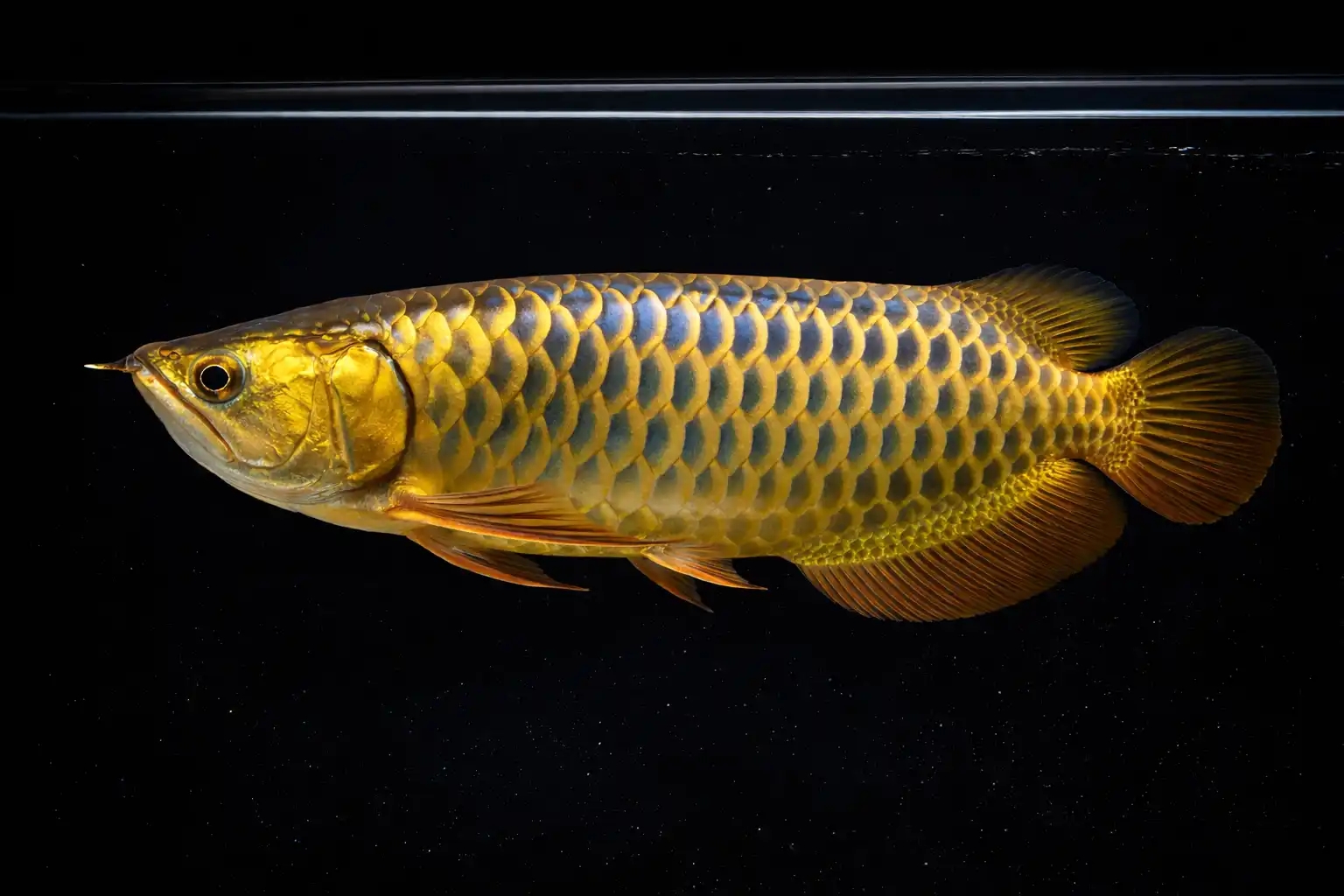
Meet the Asian Arowana (Scleropages formosus). Specifically, the Malaysian Golden Arowana (Crossback Golden).
Known as the “Dragon Fish,” it is the crown jewel of the aquarium world. In Feng Shui, it is believed to bring immense wealth, power, and protection to the owner. But before you rush out to buy a baby dragon, you need to understand why they are so expensive—and how to avoid getting scammed.
1. Why is it so expensive?
It’s not just hype. The Asian Arowana is an Endangered Species.
- Extinct in the Wild: You cannot just go to a river in Bukit Merah and catch one anymore. They are protected by international law.
- Farm Bred Only: Every legal Arowana you see in a shop was bred in a licensed CITES farm. Breeding them is difficult, slow, and expensive.
- The “Gold” Standard: A “Malaysian Golden” (Crossback) is prized because its gold scales cross over its back (the 6th level of scales), making the fish look like a solid gold bar swimming in the water.
2. The Price Tag (The “Myvi” Index)
Arowana pricing is complicated, but here is a rough guide for the Malaysian market:
- Highback Golden (RTG): The entry-level gold. Scales don’t cross the back. Price: RM300 – RM800.
- Malaysian Golden (Crossback): The real deal. Solid gold armor. Price: RM1,500 – RM5,000+ (depending on the farm and “shine”).
- Competition Grade: Special traits (spoon head, broad body, distinct blue base). Price: RM10,000 – RM50,000+.
Yes, for the price of a rare, competition-grade Arowana, you could literally drive away in a car.
3. The “IC Card”: Understanding CITES and Chips
Because they are endangered, the Asian Arowana is regulated by CITES (Convention on International Trade in Endangered Species).
If you buy a purebred Asian Arowana, it must come with two things:
- The Microchip: A tiny passive ID tag (like a TnG RFID tag) is injected into the fish’s body when it is a baby.
- The Certificate (“The Cert”): A laminated birth certificate issued by the farm.
The Golden Rule: No Cert, No Chip = No Buy.
If a shop tries to sell you a “Golden Arowana” without a cert, it is either an illegal wild-caught fish (unlikely) or, more likely, a lower-grade fish they are trying to pass off as a premium one.
4. How to Verify (Don’t Get Scammed)
When buying a high-value fish, don’t be shy. Act like a pro.
- Ask to Scan: Most high-end shops have a microchip scanner. Ask them to scan the fish in front of you.
- Match the Numbers: The number on the scanner screen MUST match the number printed on the Certificate.
- Check the Farm: Look at the Certificate. Is it from a reputable farm (like Munjur, Xian Leng, or Pang Long)? You can often verify the tag number on the farm’s website.
5. The Commitment
Buying the fish is the “cheap” part. Keeping it is the work.
Arowana grow fast and they grow huge (2 to 3 feet).
- Tank Size: Minimum 4 feet for a juvenile, 5 to 6 feet for an adult.
- Lids: They are jumpers. You need a heavy, latched lid. A jumping Arowana is a tragedy—both emotionally and financially.
- Lifespan: They can live for 20+ years. This is not a hobby; it is a marriage.
Owning a Malaysian Golden Arowana is the pinnacle of the hobby for many. It is a majestic, ancient creature that commands respect.
But please, do not buy one just for “Feng Shui” or to show off your wealth. Buy one because you are ready to care for a legendary animal that will grow up with your children.