Introduction So, you want a Channa. You’ve seen the videos on TikTok. You’ve seen the flaring fins, the blue colors, and the way they smash food. You are ready to buy one.
Wait. Buying a Channa is not like buying a Guppy. If you buy the wrong Guppy, you lose RM10. If you buy the wrong Channa, you end up with a 3-foot monster you can’t house, or a specialized fish that dies in our Malaysian heat.
This is my 5-Step Roadmap to getting it right the first time.
Step 1: The Reality Check (Choose Your Difficulty)
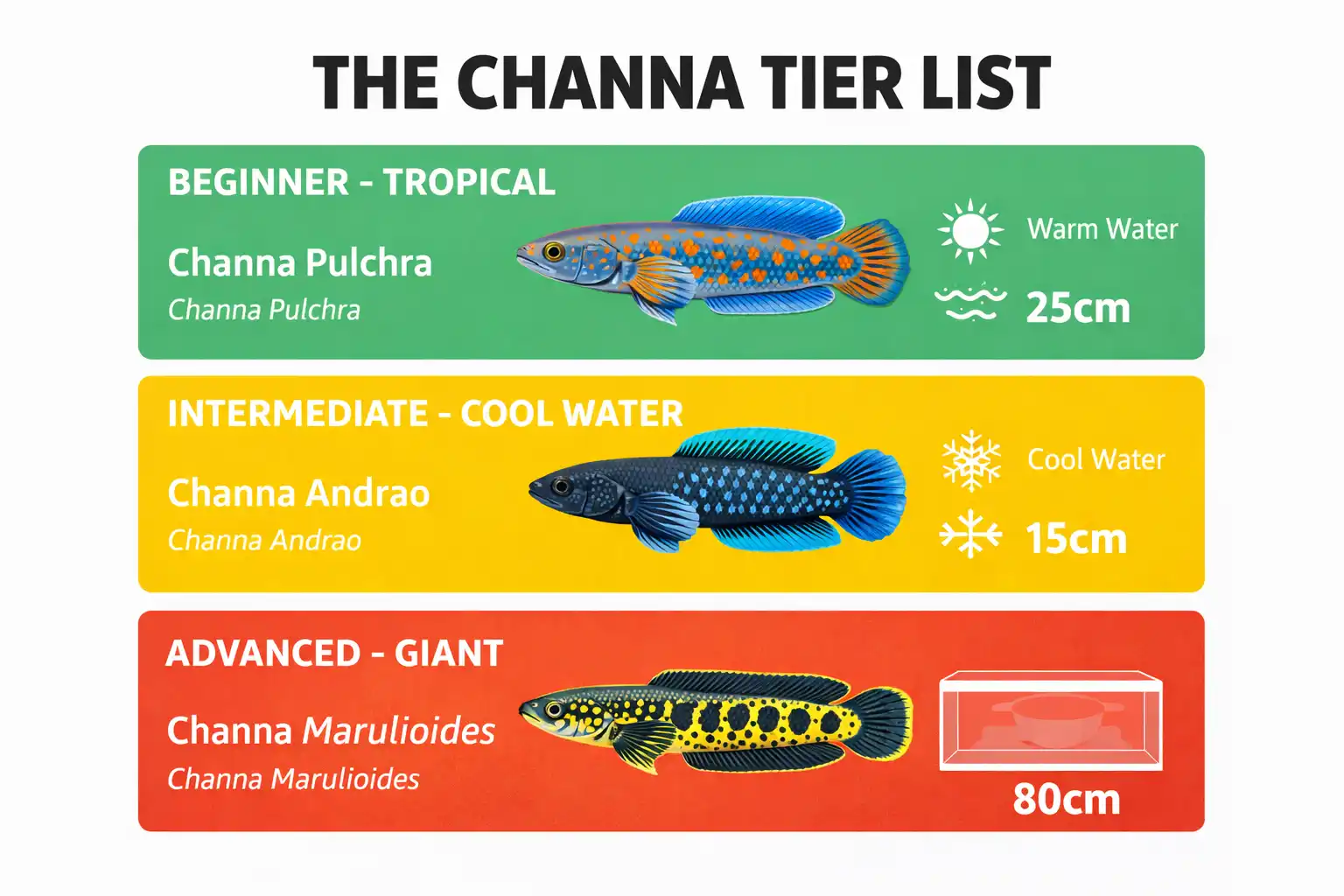
Before you buy the tank, you must choose the fish. In Malaysia, we have three main “Tiers” of Channa based on difficulty and climate.
Tier 1: The “Tropical Tough” (Best for Beginners) These fish love our weather (28°C – 30°C) and fit in standard tanks.
- Winner: Channa Pulchra (The Blue One). It stays medium-sized (25cm), loves warm water, and eats pellets easily.
- Runner Up: Channa Limbata (The Local). You can find these in our drains, but captive-bred ones are beautiful. Indestructible.
Tier 2: The “Air-Con” Club (Intermediate) These fish are from the Himalayas or Northern India. They hate heat. If your room is hot, they will get sick (bacterial infections).
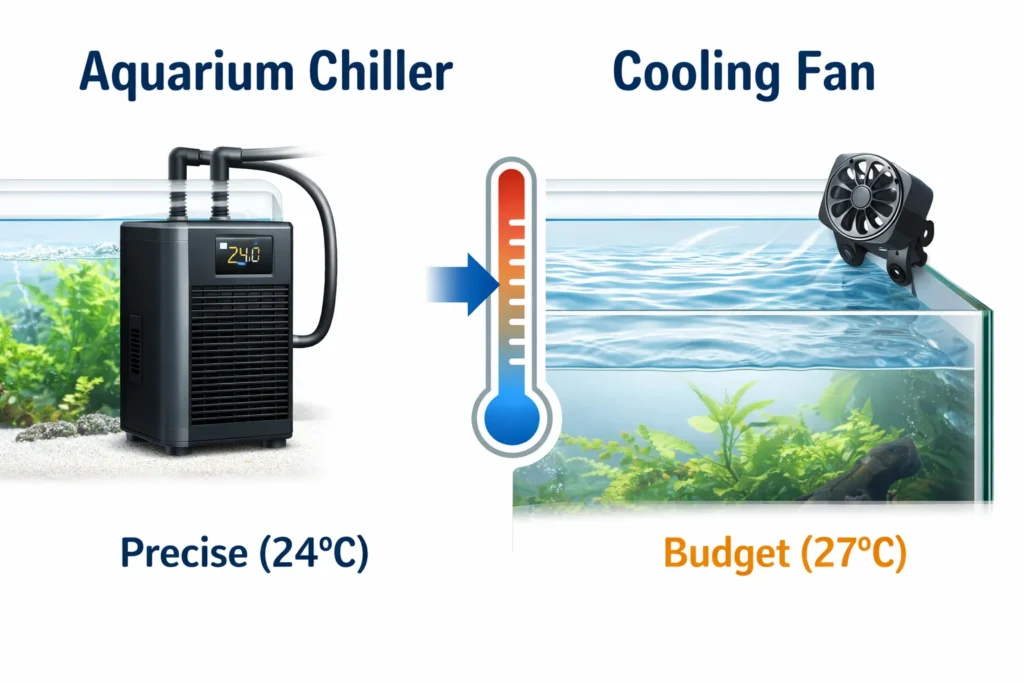
- The Trap: Channa Andrao & Channa Bleheri (The Rainbows). They are small and beautiful, but they need cool water (22°C – 26°C). You need a fan or a chiller.
Tier 3: The “Tank Busters” (Expert/Space Required)
- The Giant: Channa Marulioides (Maru). This is the most popular fish in Malaysia right now. But realize this: It grows to 80cm+. You need a 4-foot tank minimum, ideally 6-foot. Do not buy a baby Maru if you live in a small room.
Step 2: The Fortress (Tank Setup)
Channa are escape artists. They don’t just jump; they aim.
- The Lid: This is non-negotiable. You cannot use a loose piece of plastic. You need a tight lid, weighed down with a heavy book or clipped shut.
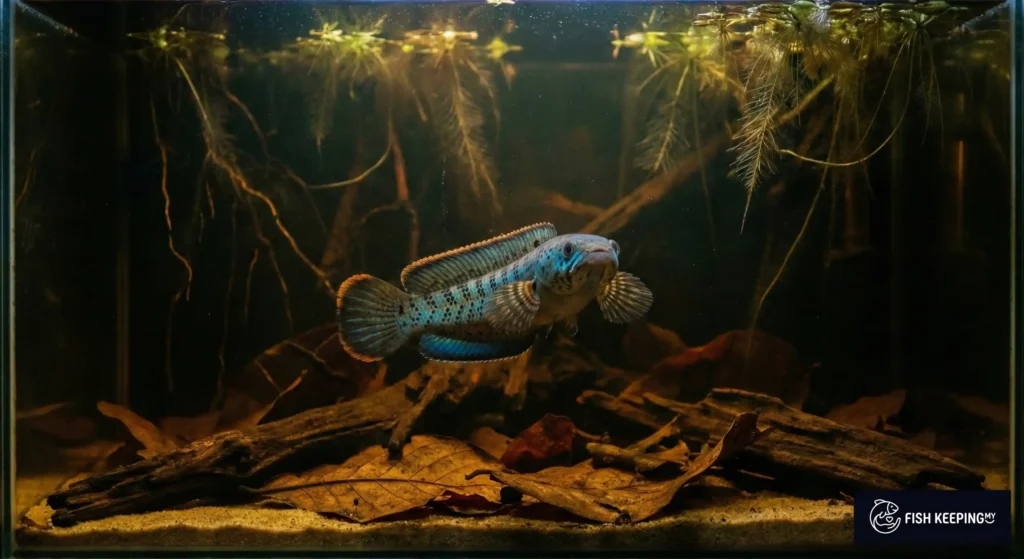
- The Filtration: Channa live in swamps, not raging rivers. They hate strong currents. Use a sponge filter or a canister filter with the flow turned down. If they are fighting the current, they will be stressed.
- The Decor: They need a “bedroom.” A piece of driftwood or a ceramic cave is essential. If they can’t hide, they won’t feel safe enough to come out.
Step 3: The Magic Water (Blackwater)
You will often see Channa tanks with water that looks like Teh O Kosong. This is Blackwater, created by dried Ketapang (Indian Almond) leaves.
- Why use it? It lowers the pH, fights bacteria/fungus, and calms the fish down.
- Bonus: The dark water makes the blue and orange colors of the fish glow.
- How to do it: Just drop 1-2 dried Ketapang leaves in the tank. Let them rot. Replace when they disappear.
Step 4: The Hunt (Buying the Fish)
Go to the shop. Look at the tank.
- Don’t buy: The fish sitting on the bottom, breathing heavy, or with “dust” on its skin (Velvet disease).
- Do buy: The fish that swims up to the glass when you put your finger there. Curiosity = Health.
Step 5: The Diet (Pellet Training)
There is a myth that you must feed live frogs and crickets. False. Modern premium pellets (like Hikari Cichlid Gold or specialized Channa pellets) are healthier. They have all the vitamins and no parasites.
- Pro Tip: When you bring the fish home, don’t feed it for 3 days. Let it get hungry. Then, drop a pellet. Hunger is the best chef. If you start with live worms, they will refuse pellets forever.
Closing Thought If you are reading this and still unsure, start with a Channa Pulchra. They are forgiving, they are beautiful, and they act like water puppies. They are the perfect gateway drug into the monster fish world.